By Dr. Theogene Rudasingwa
Photos: YouTube Screenshots
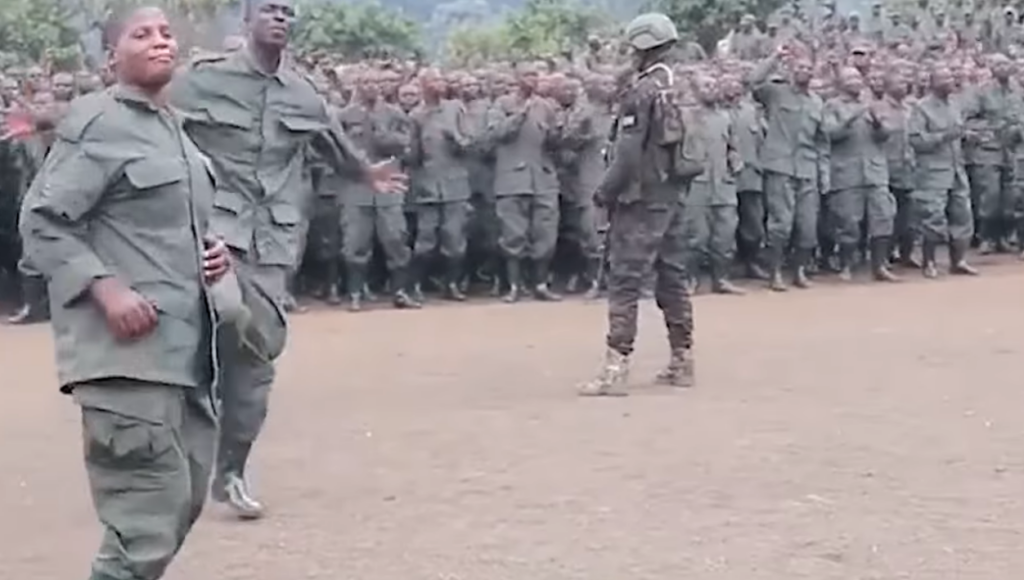
The capture of Uvira by the Rwanda-backed M23 movement on December 10, 2025, should mark a turning point in how Africa and the world understand the conflict in eastern Democratic Republic of Congo. It is not just another episode in a “complex” war, nor a temporary setback on the path to peace. It demonstrates something more troubling: the increasing normalization of territorial conquest by proxy, enabled by ongoing impunity and international hesitance.
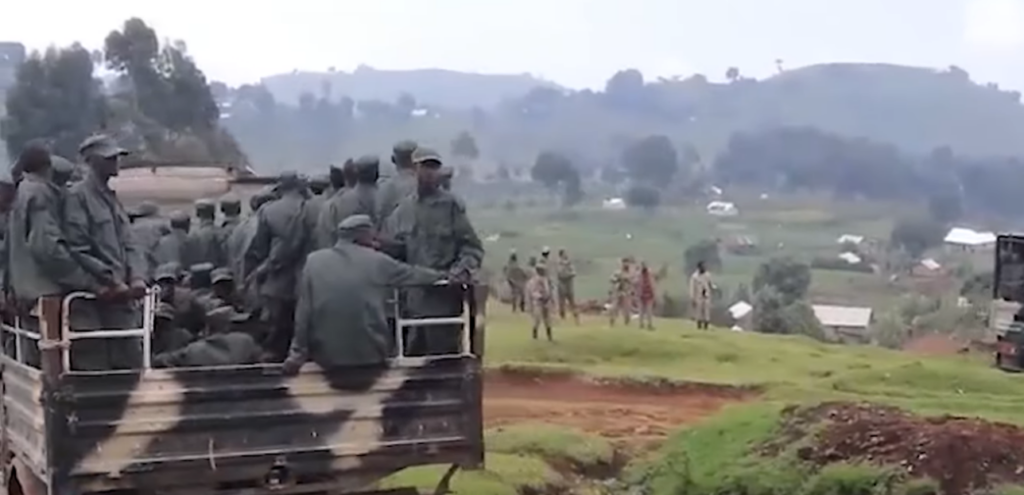
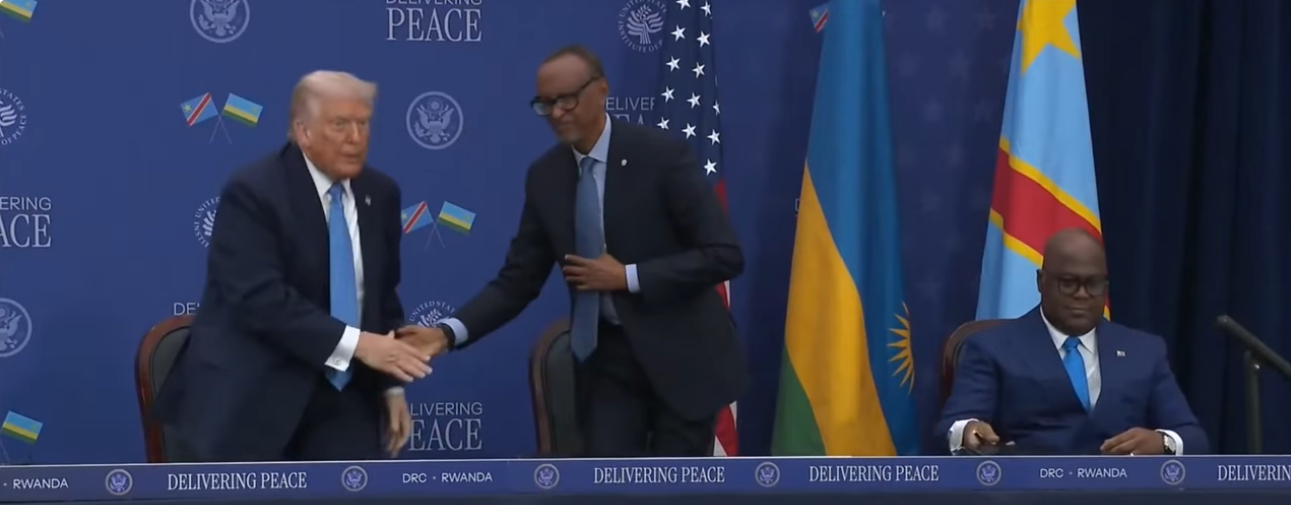
After Goma and Bukavu, Uvira is important because it’s strategic. Located on Lake Tanganyika, connecting South Kivu to Burundi, Tanzania, and Zambia, it has long been a key commercial and administrative center. Its fall effectively erodes what remains of Congo’s state authority across much of South Kivu. The fact that this happened just days after Rwanda and the DRC signed yet another U.S.-brokered deal shows a familiar pattern: diplomacy paper promises while territory is lost on the ground.
This moment must be understood in its historical context. Congo’s vulnerability did not start with M23; it originated under King Leopold II, whose private control over the Congo Free State institutionalized violence for profit with international approval. Belgian colonial rule refined the extractive system while weakening Congolese political capacity. The Cold War dictatorship of Mobutu Sese Seko, supported by Western powers for many years, further eroded the state. By the time Mobutu fell, Congo was vast in territory but fragile in institutions.
The post-1994 period brought a new layer of complexity. The genocide against the Tutsi in Rwanda was a moral failure of the international community. Following that, Western governments attempted to redeem themselves by consistently backing the Rwandan Patriotic Front and its leader, Paul Kagame. Rwanda became a favored partner, often protected from scrutiny. Over time, that protection extended beyond Rwanda’s borders, further reinforcing Paul Kagame’s impunity and aggressive actions.
Starting in the mid-1990s, Rwanda repeatedly intervened in eastern Congo—sometimes directly, often through armed proxies. UN expert reports documented Rwandan support for rebel groups and involvement in illegal mineral networks. Yet accountability remained out of reach. From this permissive environment, M23 emerged, no longer a fleeting rebellion but a territorial force that collects taxes, governs populations, and establishes parallel authority.
Uvira’s capture is therefore deliberate. It signifies consolidation. It confirms that proxy warfare in eastern Congo has evolved into de facto annexation.
The implications go far beyond Congo. The humanitarian crisis in eastern DRC has become ongoing rather than temporary. Civilians are displaced repeatedly; aid organizations step in for governance; suffering is managed instead of being resolved. This normalization erodes the moral foundations of humanitarian law, lowering the threshold at which violence is considered acceptable.
Regionally, the East African Community’s integration is weakened when a member state credibly supports an armed proxy that dismantles a neighbor’s territory without facing consequences. Continental institutions—the African Union, SADC—lose credibility when they reaffirm sovereignty but fail to enforce it. The United Nations, after decades of peacekeeping through MONUSCO, faces a harsh reality: neutrality in the face of asymmetric aggression increasingly appears to be passivity.
Western powers, especially the United States, also need to address a credibility gap. The difference between their strong defense of Ukraine’s borders and their cautious response to Congo is hard to justify legally or morally. In both situations, borders are being changed by force. The stark contrast in their responses only reinforces the idea that the rules-based system is applied unevenly.
Some argue that Congo’s weakness makes such outcomes unavoidable. This misunderstands the lesson. Congo’s fragility is not destiny; it results from history and policy choices. It can be changed—but only if sovereignty is seen as a principle to be defended, not just a phrase to be repeated.
Restricting Rwanda’s regional aggression does not require regime change in Kigali. It does require changing incentives. Implementing targeted sanctions against individuals involved in proxy warfare and severe human rights violations, conditioning military cooperation, enforcing conflict-mineral regulations, and protecting Rwandan citizens and exiled dissidents from both national and transnational repression would increase the costs of ongoing aggression. Conditional engagement—linking aid to specific actions that expand Rwanda’s political space—can establish tangible internal restraints.
For the DRC, restoring sovereignty also requires internal reform: professionalizing its armed forces, improving mineral governance, meaningfully decentralizing power, and rebuilding societal cohesion. External enforcement without internal capacity will not be effective.
Uvira is not just a town lost; it’s a warning. If proxy territorial conquest in Congo keeps going unchecked, Africa’s fundamental rule against altering borders by force will weaken further. If the international community continues to handle instability instead of addressing it directly, Congo will no longer be an exception—it will set a dangerous precedent.
DRC must be supported strongly, comprehensively, and consistently to halt and reverse Rwanda’s annexation of North and South Kivu.