By Theogene Rudasingwa
Photos: YouTube Screenshots\Wikimedia Commons
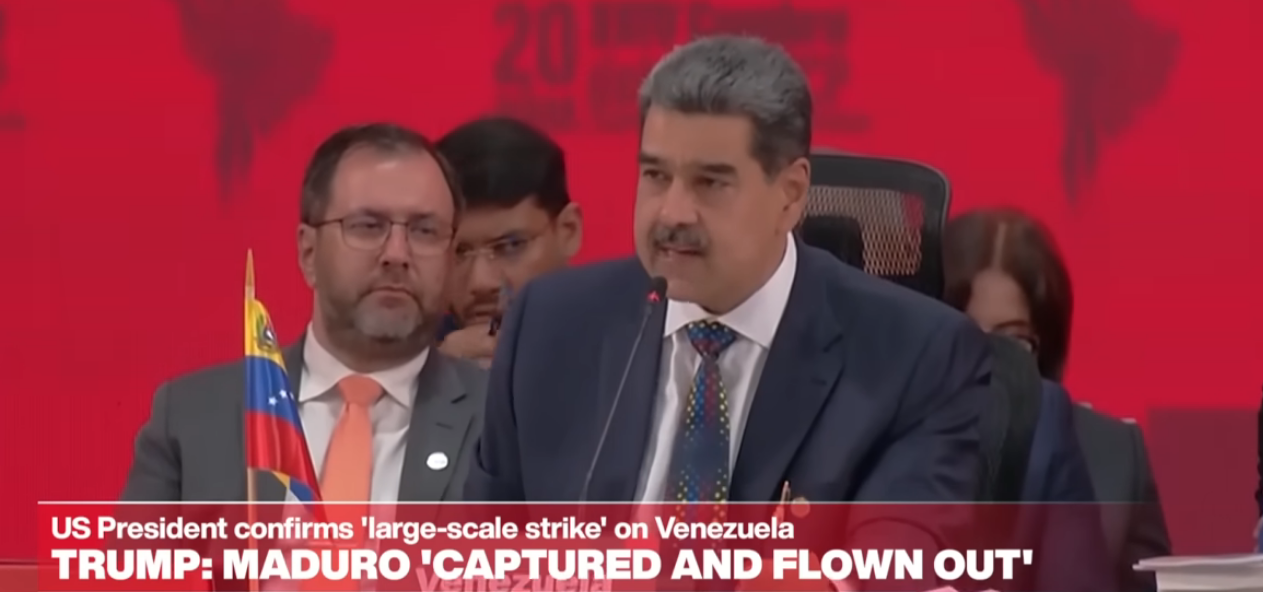
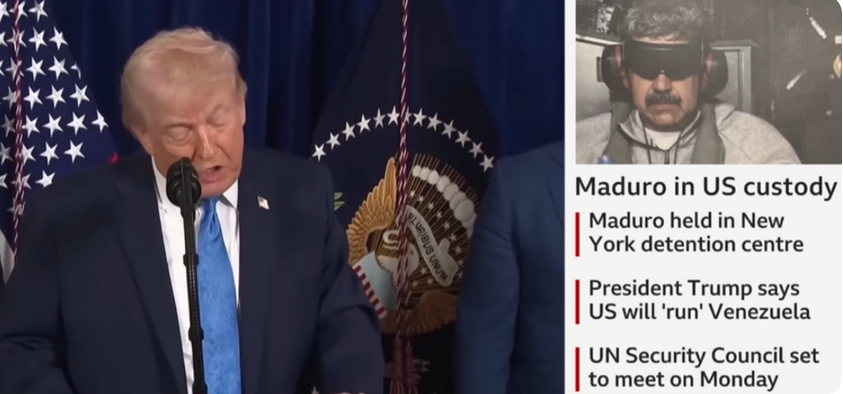
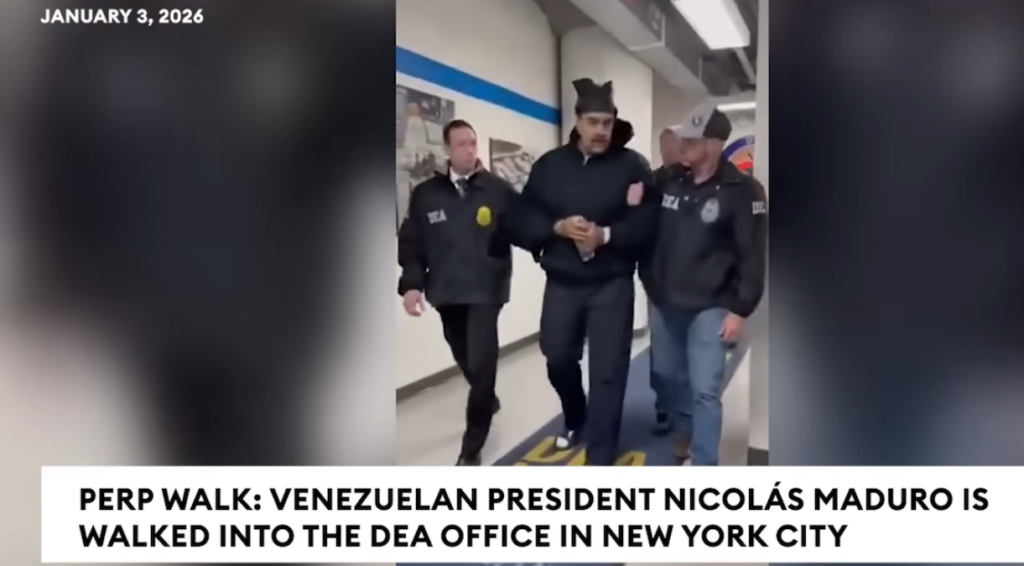
The capture of Venezuela’s leader by the government of the United States marks one of those rare moments when history pauses—not to celebrate, but to interrogate itself. This is not merely a legal episode, nor a spectacle of power. It is a rupture that forces Venezuela, the Americas, and the wider international system to confront uncomfortable questions about sovereignty, legitimacy, accountability, and the moral architecture of the global order.
Such moments resist easy narratives. They demand sobriety.
For Venezuela, this event is the culmination of a long descent marked by institutional decay, moral exhaustion, and the steady hollowing out of the social contract between rulers and the ruled. Leaders do not fall in isolation, nor accidentally. The slow corrosion of truth always precedes their downfall, the criminalization of dissent, the weaponization of fear, and the quiet resignation of citizens who, over time, are trained to see themselves as spectators in their own national story.
Power grows not only from ambition at the top, but from submission below. When courts are neutralized, legislatures reduced to ritual, and elections emptied of meaning, accountability does not vanish—it migrates. When internal mechanisms of correction are systematically dismantled, reckoning arrives from elsewhere, often in forms that wound national dignity as much as they punish individual wrongdoing.
This is not Venezuela’s tragedy alone. It is a pattern of our age.
Across regions, authoritarian systems have learned how to hollow out democracy while maintaining its outer shell. They preserve the language of sovereignty while eroding the institutions that give sovereignty substance. They invoke nationalism even as they privatize the state. They claim a popular mandate while governing through coercion. And when such systems finally fracture, the resulting accountability is rarely clean, local, or restorative. It is external, asymmetrical, and deeply unsettling.
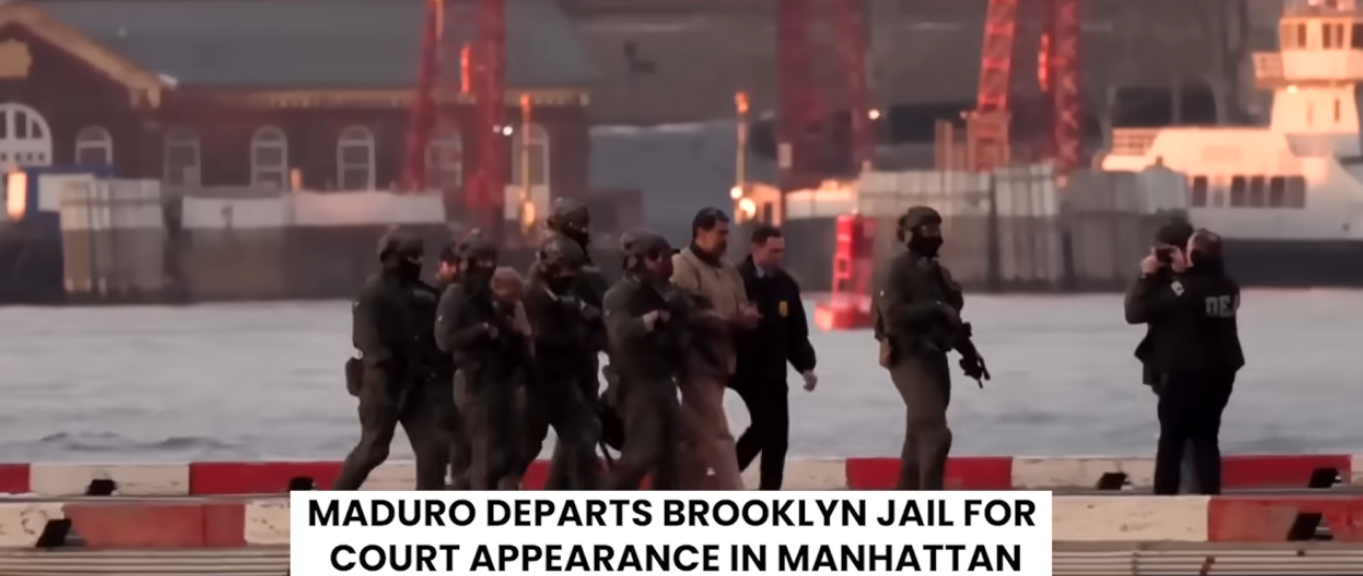
The fact that a national leader, Nicolas Maduro, has been captured not by domestic courts or through an internal constitutional process, but by a foreign power, should give pause to all who care about the future of self-government. It reveals a global order in which sovereignty has become conditional, legitimacy is selectively enforced, and international law is applied unevenly—often less as a universal norm than as an instrument shaped by power, proximity, and strategic interests.
This is the paradox of the current moment: authoritarianism consolidates within states, while coercive authority increasingly migrates beyond them.
Those tempted to read this episode as a triumph of justice should resist the impulse. Justice that arrives only after institutions have collapsed is not a sign of strength; it is evidence of prolonged failure. A system that tolerates repression until it becomes unmanageable, that overlooks abuses for reasons of convenience or geopolitics, forfeits the moral authority to claim principled leadership when it finally acts.
Selective justice breeds cynicism. Double standards corrode trust. And power exercised without accountability—whether by rulers at home or states abroad—ultimately destabilizes the very order it claims to protect.
Yet acknowledging these truths is not to indulge in fatalism.
This moment, however heavy, also opens a narrow but vital space for moral reckoning. The future of Venezuela cannot be outsourced to foreign courtrooms or negotiated exclusively in distant capitals. It cannot be rebuilt on the ruins of one strongman by enthroning another. It must be reclaimed by Venezuelans themselves—through truth-telling, institutional reconstruction, and a renewed insistence that authority flows from consent and dignity, not from fear, force, or foreign patronage.
This is not a call for vengeance. It is a call for responsibility.
Responsibility begins with rejecting the lie that nations are condemned to oscillate endlessly between charismatic strongmen and catastrophic collapse. It requires acknowledging that societies are not merely victims of fate or geopolitics, but moral agents capable of choosing different futures—if they are willing to confront uncomfortable truths about complicity, silence, and the costs of survival without dignity.
The lesson is as old as politics itself: when citizens surrender agency, others will exercise it on their behalf—and rarely in ways that serve their deepest interests.
For the global order, this episode should serve as a mirror. A world that preaches democracy while accommodating repression, that invokes human rights selectively, and that treats accountability as negotiable cannot sustain legitimacy indefinitely. Stability purchased at the expense of justice is always temporary. Order built on fear is always brittle.
If this moment is to mean anything beyond spectacle, it must provoke a deeper rethinking of how the international community engages failing states—not only when they become inconvenient, but when early warning signs first appear; not only through sanctions and coercion, but through sustained support for institutions, civil society, and inclusive political cultures that prevent collapse in the first place.
Venezuela stands at a crossroads, but so does the world.
History will not remember this moment for the image of capture. It will remember what followed: whether a society trapped in cycles of domination found the courage to rebuild institutions that outlast individuals; whether citizens chose responsibility over resignation; whether the international system learned to align power with principle rather than expedience.
Moments like this do not absolve anyone. They implicate everyone.
They remind us that sovereignty without accountability is an illusion, that power without legitimacy is fragile, and that the ultimate safeguard against tyranny—internal or external—lies not in stars, fate, or foreign intervention, but in the moral agency of citizens who refuse to believe they are too small to matter.
The question now is not who has fallen, but who will stand.