By Theogene Rudasingwa
Photos: YouTube Screenshots
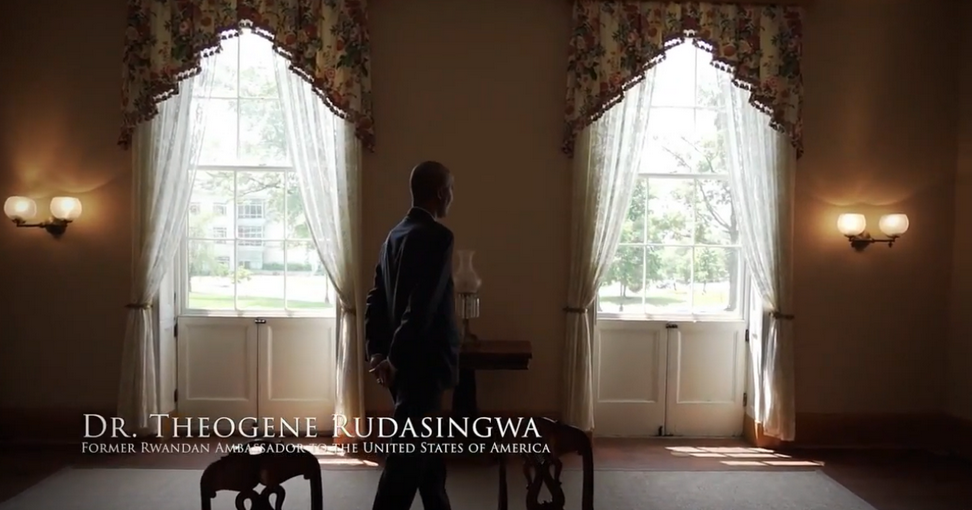
The following is an open letter written by former Rwandan Ambassador Theogene Rudasingwa, to President Donald Trump, regarding the volatile situation in the Democratic Republic of Congo and its impact on Africa’s Great Lakes Region.
Mr. President,
I write to express my sincere appreciation for your personal leadership in convening and presiding over the formal signing of a peace agreement between the Presidents of Rwanda and the Democratic Republic of Congo in Washington, D.C. At a time when global attention is stretched thin, your decision to engage directly in one of Africa’s most consequential and long-running conflicts has restored both visibility and leverage to a region too often left to manage instability alone. That intervention signals that the United States still recognizes the difference between symbolic diplomacy and strategic leadership.
A few months ago, I addressed an open letter to you expressing cautious optimism about your willingness to approach the Great Lakes region pragmatically rather than ceremonially. In that letter, I welcomed your instinct to prioritize outcomes over process, but warned that peace in this region would not come from handshakes alone. I underscored the region’s long record of agreements signed without implementation, the persistent reliance on proxy armed groups, the widening gap between diplomatic declarations and realities on the ground, and the urgent need for sustained, enforceable, and transparent engagement. My core message then—much as now—was that American leadership can be decisive only if it extends beyond the signing table.
It is in that spirit that I write again.
As the agreement was being signed in Washington, intense fighting continued in eastern Congo between forces linked to the Rwanda-backed M23 and the Congolese state. For policymakers familiar with the region, this simultaneity is not anomalous; it is diagnostic. It reflects a pattern in which diplomacy is used to manage perceptions while military pressure is maintained to preserve leverage and shape facts on the ground. In such contexts, peace agreements risk being treated as tactical pauses rather than binding commitments.
Lasting peace in the Great Lakes cannot be achieved where one actor retains escalation dominance—through proxy forces, plausible deniability, and asymmetric capabilities—while testing the resolve and endurance of the international community. Where oversight is weak and consequences unclear, compliance becomes selective. Where vigilance fades, instability returns.
The deeper challenge, however, lies beneath the battlefield. Violence in eastern Congo persists because it is sustained by powerful incentives: illicit resource extraction, regional security calculations, political survival strategies, and chronic state weakness. Unless these incentives are addressed, agreements risk stabilizing elite relationships while leaving conflict economies intact. Peace that does not alter these underlying dynamics is fragile by design.
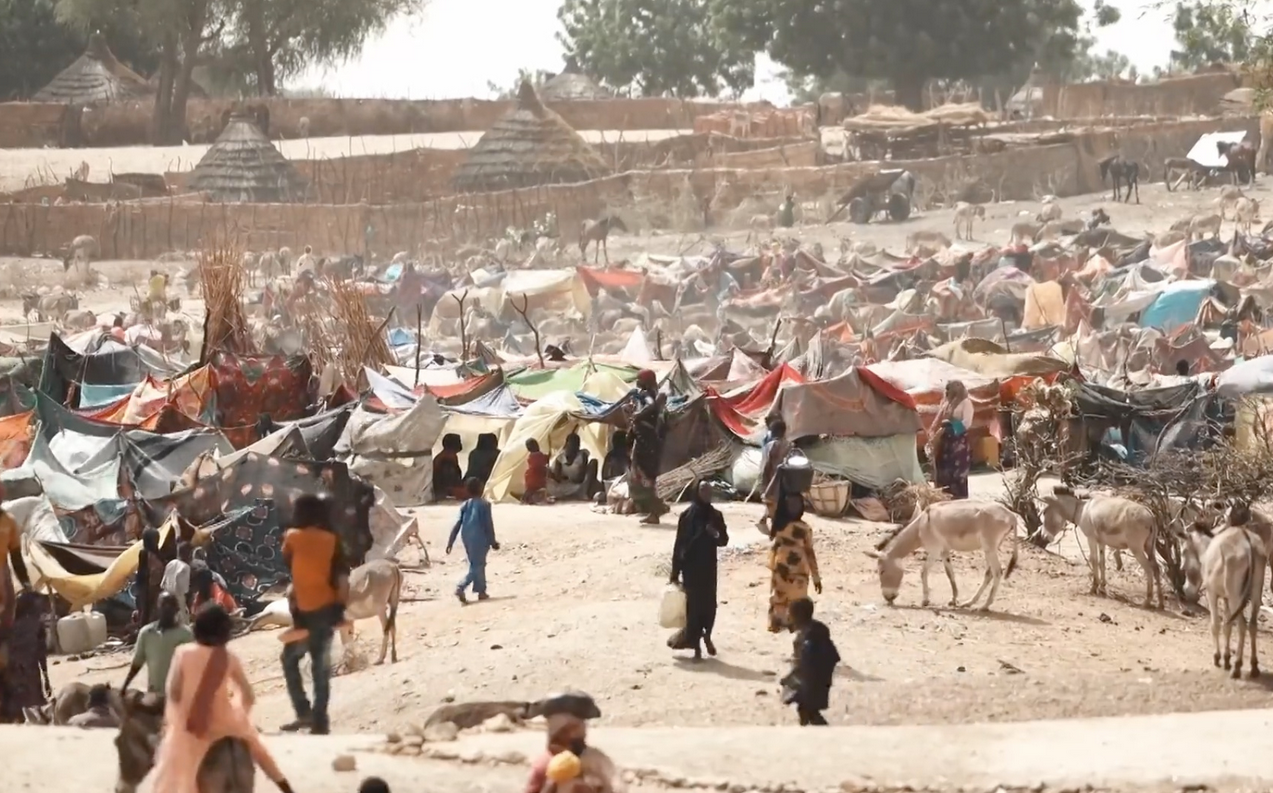
This reality carries implications far beyond the Great Lakes. Continued instability in eastern Congo threatens regional integration across Central and East Africa, fuels humanitarian crises and mass displacement, undermines legitimate trade and investment, and feeds transnational criminal networks that operate well beyond Africa’s borders. It also erodes the credibility of international conflict-resolution frameworks and reinforces the belief that violence, not diplomacy, determines outcomes.
For the United States, the stakes are clear. The Great Lakes sit at the crossroads of a continent whose demographic growth, mineral wealth, and geopolitical significance will shape the twenty-first century. Chaos in this region compromises global supply chains, distorts critical-mineral markets, creates openings for malign external actors, and perpetuates conditions that demand repeated humanitarian and security intervention. Stability, by contrast, expands markets, strengthens regional partners, and reinforces norms of sovereignty and accountability that serve American and global interests.
There is also a danger in mistaking the signing of an agreement for the completion of the task. In conflicts of this nature, escalation does not arrive suddenly. It advances incrementally—through calibrated violence, ambiguity, and deniability—often remaining just below thresholds that compel decisive response. When international attention diminishes, these dynamics accelerate quietly until they erupt into broader crisis.
For these reasons, Mr. President, success in the Great Lakes cannot rest on diplomacy that is episodic or declaratory. What is required now is sustained engagement: continuous monitoring, independent verification of commitments, coordination with regional and international partners, and clear, predictable consequences for violations—applied consistently and without exception. This is not a call for indefinite intervention, but for disciplined follow-through.
The United States remains uniquely positioned to anchor such an effort. Its convening power, strategic weight, and credibility—when applied consistently—can shift calculations away from violence and toward durable political solutions. But leverage unused, or withdrawn prematurely, rapidly loses value.
Mr. President, you have taken an important step that has already altered the diplomatic terrain. The measure of its success will not be the image of leaders signing an agreement, but whether children in North and South Kivu of eastern DRC sleep without gunfire, whether borders become conduits for trade rather than conflict, and whether peace becomes a reality experienced on the ground rather than a promise announced abroad.
The people of the Great Lakes deserve more than symbolic peace. They deserve a peace that holds—Africa, and the world, including the United States, have a profound interest in seeing it succeed.
Respectfully,
Dr. Theogene N. Rudasingwa
Former Ambassador of Rwanda to the United States