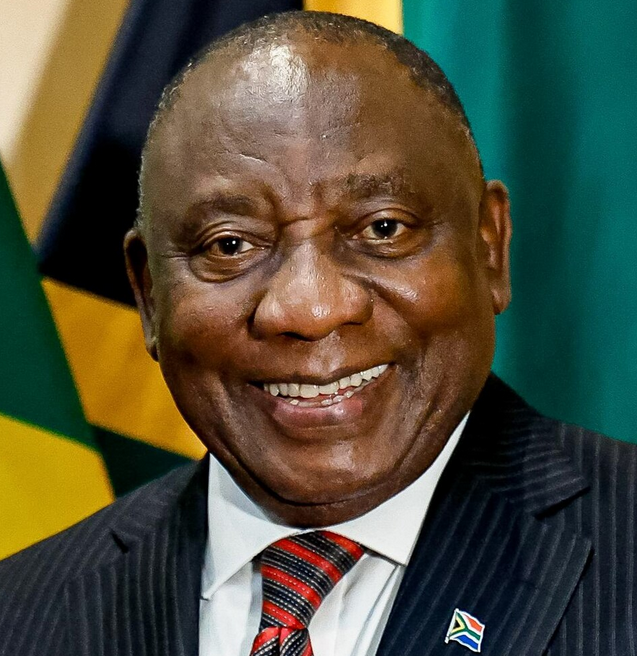
Yonkers Mayor Mike Spano is urging state officials to grant full casino licenses to Empire City and Resorts World without further delay, arguing that these sites are ready to deliver economic returns while others stall. With high-profile bids falling through and public resistance mounting, the race for downstate licenses has entered uncertain territory. As physical developments falter, interest in alternatives like online casinos for real money continues to grow, raising questions about where New York’s gambling priorities now stand.
Political Pressure Builds to Skip the Bidding Line
Mayor Mike Spano has formally urged the New York State Gaming Commission to accelerate full licensing for Empire City Casino in Yonkers and Resorts World in Queens. Both properties currently operate as racinos – offering limited electronic gaming – and have long-standing infrastructure in place. Both venues are already embedded in local economies and require no new ground to break.
The timing of his request underscores a broader concern: looming federal budget cuts that could strain local revenues. By fast-tracking these two applicants, Spano believes New York can secure thousands of jobs and significant tax contributions without the delays tied to new construction or zoning hurdles. The push comes as state regulators weigh how to proceed amid setbacks in other proposed casino developments.
Casino Giants Withdraw, Leaving an Opening
Wynn Resorts’ exit has added momentum to Spano’s case. The $12 billion Hudson Yards bid collapsed in May after local resistance and regulatory concerns, including an anti-money laundering fine. The recent withdrawals have thinned the field, clearing space for bids that require less negotiation and fewer approvals.
Just weeks earlier, Las Vegas Sands opted out of the Nassau Coliseum casino amid zoning resistance and a lack of political support from Nassau County officials. With two major proposals dropped in quick succession, the licensing picture looks markedly different. Existing operators like Empire City and Resorts World, already operational and locally accepted, now stand in a stronger position to compete without starting from scratch.
The State’s Casino License Process Explained
As high-profile bids fall away, the spotlight moves to the rules that will determine who secures the remaining licenses.
New York will grant up to three downstate casino licenses by the end of 2025. Applicants must submit full proposals by June 27. These will be reviewed by Community Advisory Committees, which must issue their decisions by September 30. Final selections from the Gaming Facility Location Board are expected in December.
The process is structured but demanding. Each applicant must pay a $1 million entry fee and, if selected, a $500 million licensing fee. Proposals are judged primarily on their projected economic impact, which carries a 70% weighting in the evaluation. This focus on scale and readiness may favor experienced bidders but complicates prospects for new builds.
Big-Name Proposals Still in Play But Face Obstacles
While the process favors readiness, not every contender moves forward without friction. Jay-Z has partnered with Caesars Entertainment for a Times Square bid, while Mets owner Steve Cohen is behind an $8 billion casino and entertainment complex near Citi Field. Both projects carry financial weight and public attention, but neither has secured the necessary green light.
Each faces unique roadblocks. The Times Square proposal must overcome pushback from theater groups and business leaders. Cohen’s project depends on legislative approval to build on protected parkland—a requirement that adds complexity and uncertainty. These complications slow progress and weaken momentum.
By contrast, Empire City and Resorts World advance without such hurdles, positioned to scale under current zoning rules.
What’s at Stake for New York’s Economy
Zoning debates and political delays may dominate headlines, but the real driver behind licensing decisions lies in economic return. Each new venue has the potential to generate up to 6,000 construction jobs and 3,500 permanent roles, according to projections cited by FingerLakes1. The state’s broader casino workforce could grow by over 70% in the next four years, based on labor estimates from Analysis Group.
Financially, the benefits are already measurable. Between 2017 and 2022, New York’s four upstate casinos generated $176 million in tax revenue for local governments. Racinos in Queens and Yonkers add even more through video lottery operations.
Budget cuts on the horizon make delays more costly than ever. Projects that offer immediate returns now carry more weight than proposals still in limbo.
As New York weighs its next casino approvals, the choice may rest less on spectacle and more on readiness. High-budget bids remain stalled by legal and local resistance, while established racinos offer tested infrastructure and predictable returns. Beyond financial metrics, the discussion also touches broader concerns about public spending priorities – concerns raised in recent criticism of federal budget directly favoring billionaires. The Gaming Commission now faces a decision that reaches far beyond licensing.