By Edwin Freeman
Photos: Edwin Freeman
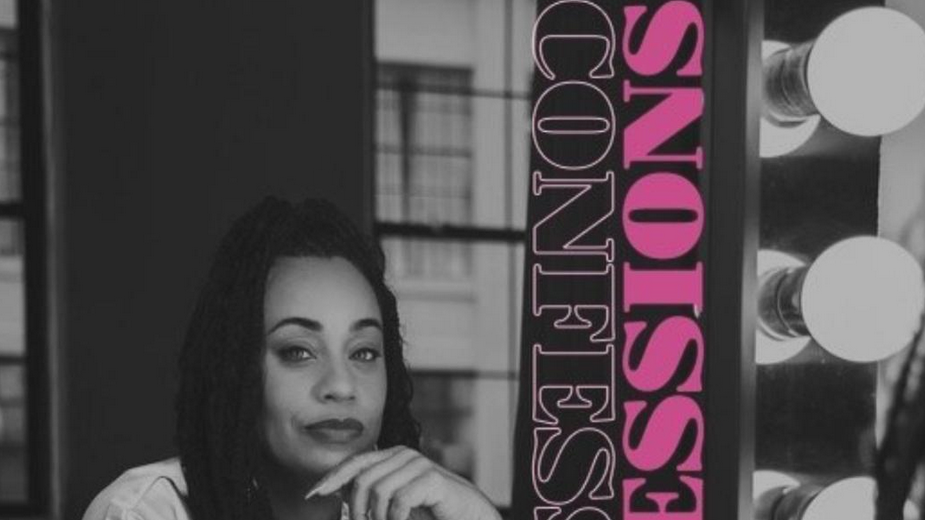
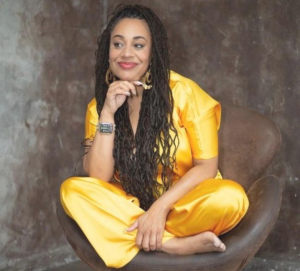
Renowned playwright and director Temese Chavis speaks candidly about her inspiring new production ‘CONFESSIONS,’ the challenges facing Black women in theater, and the vital need to uplift diverse voices in the arts. This Saturday, February 17th at 3:00 PM marks the final performance of her groundbreaking play centering complex narratives of Black sisterhood at The Tank located at 312 West 36th Street, New York, NY 10018, so don’t miss this opportunity to witness Chavis’ transformative vision come to life on stage.

BSN: Your new play Confessions centers on a group of married friends and the struggles they face. What inspired you to write this story and highlight the experiences of Black women?
TC: Confessions is about a group of married friends that live in Harlem. I was inspired to write it because I thought it was important to highlight Black women and men in a positive light.
BSN: As a Black female playwright and director, what unique perspective do you bring to telling these stories on stage? How has your own experience influenced the way you portray Black women in your work?
TC: Relatable experiences though not necessarily from a theatrical view but from a life perspective. Stories that represent and rebuild the Black community.
BSN: The play’s title, ‘Confessions,’ implies these characters will reveal intimate truths. Why did you choose confession as a central theme? What do you hope Black women will learn from seeing their stories brought to life on stage?
TC: Confessions is essential because it is centered around the main character confessing how she feels about Black Love and her community. They are real thoughts about how we feel and can relate to one another. I hope Black women will take away not giving up on their role in society.
BSN: There is still a lack of diversity among playwrights and directors, especially Black women. Why do you think it’s important for more Black female voices to be represented in theater? What can the industry do to support and empower them?
TC: It’s important for Black female voices to be represented because Black people go to theater and they want to see themselves represented in theater from us, to us and with us.
BSN: You’ve spoken about the funding challenges Black playwrights face. What needs to change for more Black-written and Black-directed productions to make it to the stage? How can theaters better support this work financially?
TC: Anyone can have funding challenges, but it is especially hard within the Black community. The funding pool is so low and the amount of resources distributed is not enough. Theater needs to realize Black people need more representation in theater. The Black community enjoys going to plays and if there was more representation they would come out and support.
BSN: What advice would you give to aspiring young Black women who want to become playwrights or directors themselves one day? How can the next generation carry on the legacy you have established?
TC: Theater is a journey. We can vocalize things in a pure and honest way. Black men and women should take something away from Confessions. Black love is the most important thing we can distribute to the community. Black love can look very different. We had Black Love at one point in life. I hope Black women can take the perspective not to give up on their role in society and for Black men to be more supportive and protective.

BSN: How do you handle criticism or pushback when bringing fresh portrayals of Black experiences to mainstream audiences? Why is it important that your vision as the creator be respected?
TC: Criticism is great for growth. I enjoy constructive criticism. It’s important because I care about uplifting the Black community through art. Displaying the issues and resolve through Black art. I have a mission based brand that highlights Black artists in the most positive light. When we discuss the dysfunction there is a resolution along with it. The mission is to rebuild the Black community through art.
BSN: What stories are you most passionate about bringing to the stage right now? Why is theater such a powerful medium for conveying the Black female perspective?
TC: I’m passionate about bringing ‘Confessions’ to the stage on a national level. Theater is a powerful medium because it allows us to use our voices and our words.
BSN: What do you hope audiences, especially Black women, take away after seeing ‘Confessions’? What impact do you want your plays to have in promoting empathy and understanding?
TC: I hope they take away hope for change within the Black community. I hope people want to start rebuilding the Black community through Black love.

Grab your tickets now before they’re gone! https://becute.tv/