The Center For Policing Equity
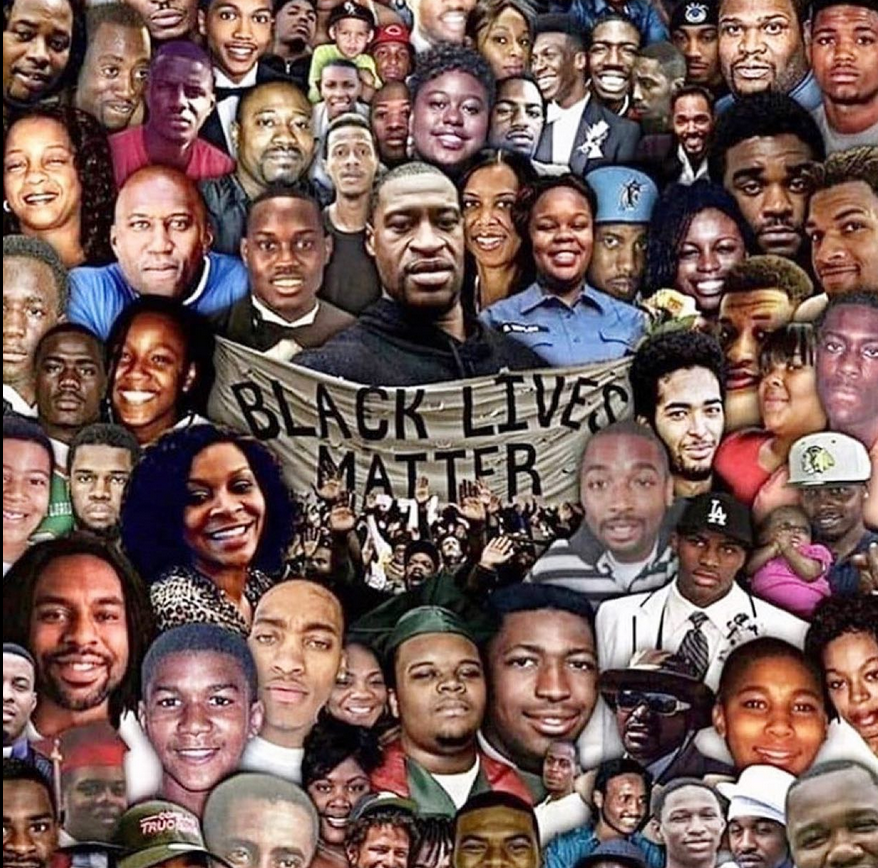
Photos: Facebook\Wikimedia Commons
New Haven, CT – The Center for Policing Equity (CPE) has released a new national study titled Racial and Ethnic Inequalities for Nonfatal Legal Intervention Injuries Treated in US Emergency Departments. Authored by CPE staff members Dr. Mina Kim, Postdoctoral Research Fellow; Dr. Phillip Atiba Solomon, CEO and Co-Founder; and Dr. Justin Feldman, Principal Research Scientist, the study examines nearly two decades of emergency department data revealing that injuries inflicted by law enforcement represent a major, ongoing public health concern — and a significant driver of racial health inequities in the United States.
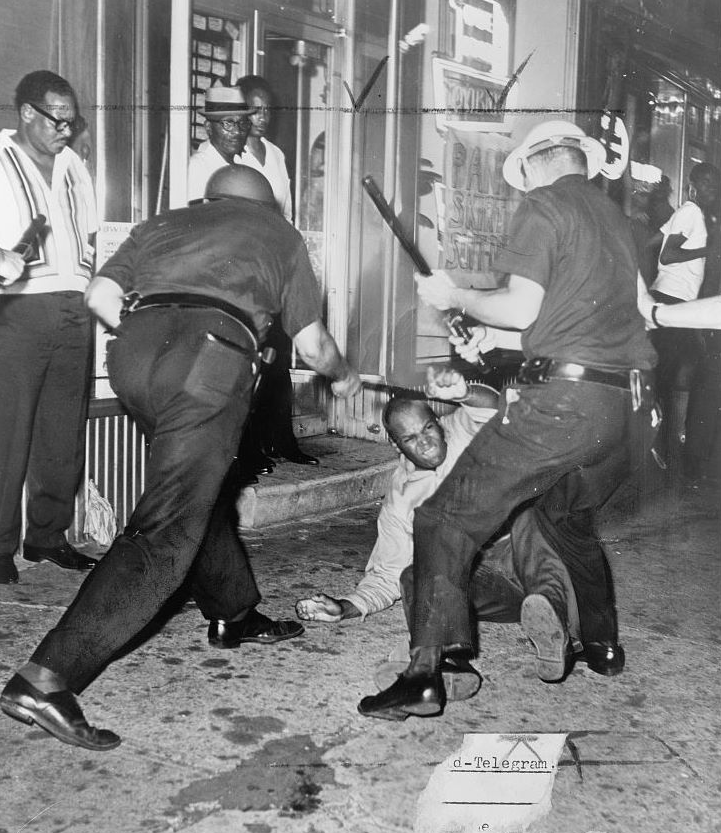
While fatal police encounters often dominate headlines, the study finds that nonfatal injuries caused by police are far more common, with an estimated 1.5 million emergency department visits for “legal intervention injuries” between 2004 and 2021. The findings suggest that understanding and addressing these nonfatal injuries is essential to any meaningful effort to improve public safety and advance racial equity.
Using data from the National Electronic Injury Surveillance System-All Injuries Program (NEISS-AIP), researchers analyzed emergency department visits linked to injuries caused by police officers, other legal authorities, or private security guards. The NEISS-AIP system, which captures a nationally representative sample of hospital data, provides a more accurate picture of injuries than administrative claims data — long known to underreport police-related incidents.

Key Findings:
- From 2004 to 2021, 1.5 million people were treated in emergency departments for injuries inflicted by law enforcement.
- Black people consistently experience injury rates more than five times higher than White people. For Latinx people, rates were about 1.5 times higher than for White people, with only a slight improvement.
- Despite widespread calls for change after 2014, there is no evidence of lasting reductions in injury rates or in Black-White disparities.
The study also explored whether major public attention to police violence and racial justice — from 2014 through 2021 — was associated with changes in injury rates. Researchers found no conclusive evidence of a sustained decrease in injuries, suggesting that despite national protests and policy discussions, the overall burden of police-inflicted harm remains deeply entrenched.
Implications for Policy and Public Health
Experts emphasize that the study’s findings should guide federal, state, and local leaders toward evidence-based, community-centered approaches to safety. Viewing police-inflicted injuries through a public health lens can help identify root causes, prevent future harm, and hold institutions accountable for measurable change.
The study, “Racial and Ethnic Inequalities for Nonfatal Legal Intervention Injuries Treated in US Emergency Departments,” was published in the medical journal JAMA Network Open and conducted in accordance with Strengthening the Reporting of Observational Studies in Epidemiology (STROBE) guidelines.