By Mohammed Khaku
Photos: YouTube Screenshots\Wikimedia Commons
In the Middle Ages, the Islamic world was renowned for its impressive achievements in science, math, art, and philosophy. This era, called the Islamic Golden Age, spanned from the late 8th to the mid-13th century and produced some of history’s most brilliant minds. Their work had a significant impact on medieval Europe’s advancements in areas like astronomy, architecture, medicine, physics, chemistry, math, and art.

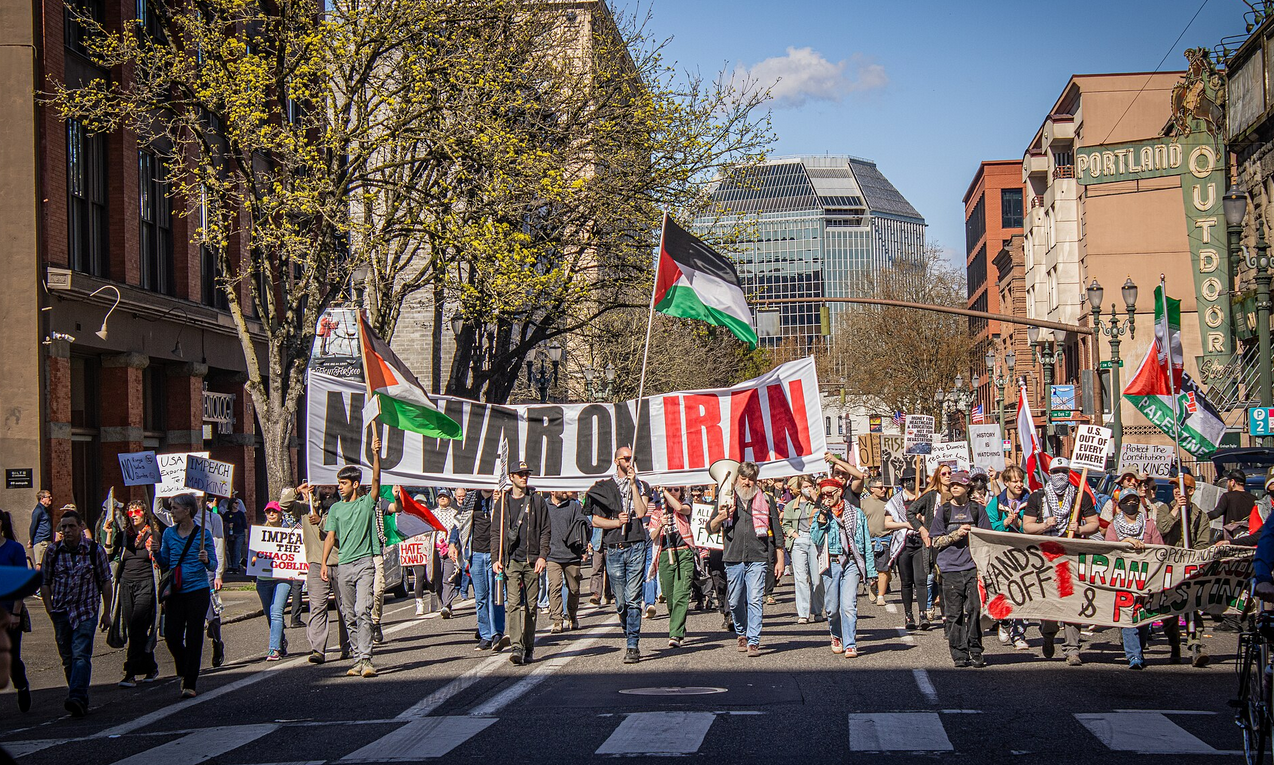
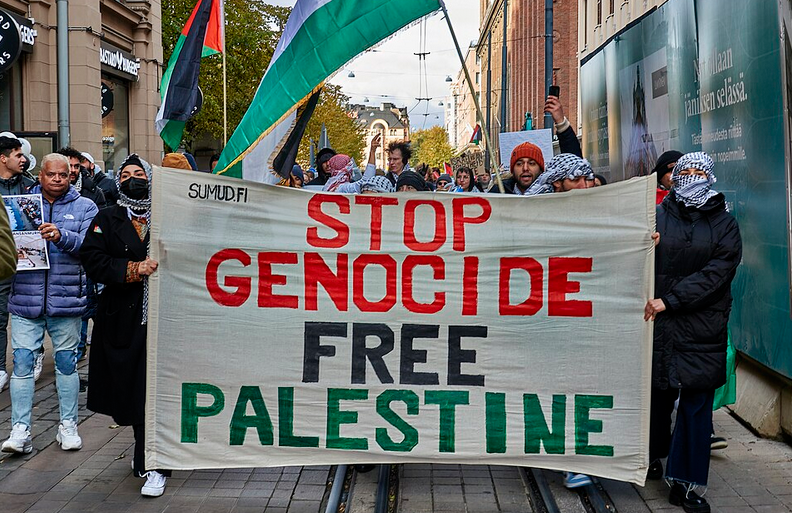
Since October 7th, many Muslim organizations and communities, including those in Lehigh Valley, have stayed silent about the genocides in Palestine, Kashmir, Rohingya, and Uyghur regions. Several Khatibs (Imams) have refrained from offering prayers for Palestinians, with one Imam even mentioning that there are always two sides to the story.
During the Ashura procession, organizers forbid Palestinian flags or slogans. However, when I attend city council sessions, no such limitations exist. That’s the beauty of being American.
After the month of Muharram, everything changed, and free expression acceptable. Was this shift motivated by the need for Islamic scholars to stay relevant, or perhaps by a sense of guilt?
I’ve attended and listened numerous Friday sermons by scholars like Syed Muhammad Rizvi, Sheikh Murtaza Bachoo, Sheikh Azar, the Qazwinis, Modarresi, Omar Suleman, and many others who regularly speak out against injustices and denounce the occupying regime.
While the Khatib addressed global oppression, they should also focus on local issues such as promoting transparency and accountability, upholding the constitution, fostering honest leadership, addressing community injustices, reducing wealth inequality, combating homelessness and loneliness, supporting detained immigrants, and highlighting the struggles of 2.6 million Black and Brown individuals in prison.
Prophecies about hypocrites and corrupt scholars, including narrations, Hadiths, and quotes from Islamic sources of Ahl al-Sunnah and Ahlul Bayt, emphasize the qualities of true Islamic scholars. Misguided scholars pose a threat to humanity, spreading harm instead of wisdom, failing to practice the knowledge they possess. Among the hypocrites of my Ummah, many will be its Qurra’, or corrupt scholars. I fear misguided scholars for my Ummah even more than the Dajjal. Such scholars are like boulders blocking the flow of a stream, preventing water from nourishing the plants. Similarly, wicked scholars resemble channels leading to a garden but emit a foul stench, as their source is a cesspool of decay. Their words may be as sweet as honey, but their hearts are darker than night. They preach renouncing this world while clinging to it themselves, instilling fear of Allah in the Ummah while remaining untouched by it. Corrupt and misguided scholars seek favor with oppressive rulers and visit their palaces, while pious scholars visit the homes of the righteous Ulama and Maraja.

Islamic scholars who associate with opportunistic oligarchs, politicians, and corrupt, oppressive rulers face a significant challenge. How can they remain impartial and issue fatwas or rulings based on Allah’s law while serving on committees tied to corrupt politicians, dishonest leaders, or oppressive monarchies and dictatorial regimes?
Under MBS’s leadership, the clerical establishment in Saudi Arabia still holds a notable presence in the kingdom, though its influence over religious matters has diminished. Religious scholars no longer oppose the King and now fully back the government, even when its actions conflict with Islamic principles. Additionally, Friday sermons are crafted by the government to reflect and advance the King’s agenda.
State-appointed scholars prepare weekly sermons for clerics to deliver verbatim. The government organizes an entire year’s schedule of sermons, including extra ones for religious holidays. A ministerial committee employs advanced surveillance tools to monitor mosques and evaluate clerics’ performance across the country.
My journey over the last twenty-five months.
At a conference I attended, many speakers appeared more interested in debating the differences between Islamic denominations and criticizing the guardianship of the Islamic Jurist, as well as the Marja and the Rahbar, Syed Ali Khamenei, rather than focusing on condemning oppressors like Netanyahu or Trump, who are responsible for acts of genocide.
It’s ironic how some Islamic scholars, like Yusuf Hamza and Yasser al-Habib, show such strong hostility toward the Islamic Republic of Iran and the Resistance movement. This kind of animosity is shameful and only leads to disunity and a lack of respect among Muslim communities. After all, it is the Resistance movement and the Islamic Republic of Iran that have championed the flag of Islam and the Palestinian cause.
A Muslim scholar observing the day of ‘Ashura,’ a time when Muslims worldwide remember the triumph of good over evil and truth over falsehood, can uncover countless political insights from Karbala. If more scholars took the opportunity to reflect on, study, and analyze the events and martyrs of Karbala, they would surely recognize the Hussains and Yazid’s (including the court scholars of Yazid) in today’s world.
The lack of response from Islamic scholars and Muslim organizations is noticeable. Throughout the Muslim world, spanning from China to Pakistan to North Africa, countless political prisoners face frequent executions without fair trials.
The Saudi government has set aside $533 million to build two new prisons in Riyadh and Jeddah to address overcrowding. Official records indicate that over 40,000 prisoners of conscience are detained in Saudi jails, with many more held in Pakistan, China, Kashmir, Rohingya, and other regions.
It’s easy to call out the injustices caused by the US, but within our own communities, many clergy either remain silent or back an administration that lacks transparency, truth, and trustworthiness, all while continuing to preach about moral and ethical values.
“God does not change the condition of a people unless they change what is within themselves.” [13:11] This verse is often referenced to emphasize the importance of inner transformation, such as purifying the heart, as a crucial step for God to initiate changes in external circumstances.
Although I’m not an Islamic scholar, this verse appears to highlight the challenges faced by the Muslim community today. It implies that God will not remove external oppression or foreign domination unless we tackle the internal political issues that allow these conditions to persist. Ultimately, it underscores the importance of unity—something we Muslims often struggle with, even when we agree to disagree.
It is said, “Avoid the doors of oppressed rulers, for it is deeply degrading… Those who approach the doors of oppress and corrupt rulers will face trials.” Along with these cautions about associating with oppressors and corrupt leaders, the teaching, “Indeed, one of the greatest acts of Jihad is speaking a word of truth in front of a tyrannical ruler,” holds immense importance. These principles from the Quran and Hadith have inspired countless stories of courageous scholars who stood up to tyranny, enduring torture, imprisonment, and even death in their quest for martyrdom.
The history of women’s revolutions during Algeria’s fight for independence, the struggle of Lebanese women for freedom from the British mandate, and the Islamic revolution in Iran highlights the bravery of women and Islamic scholars on the frontlines. Many endured tortures and even lost their lives under the brutal SAVAK secret police, trained by Mossad and the CIA.
Scholars have a vital role in speaking truth to power, especially in today’s world. Many overlook how politically informed and aware the Muslim community is about current events. When scholars remain silent in the face of major oppression, it signals to Muslims that they should stay silent too. Those who openly endorse oppression inflict even greater harm on the community.
Organizations often rely on ignorance as an excuse to avoid moral and ethical responsibility. In an age where information is more accessible than ever, such justifications fall flat. Genocide, unlawful killings, and the oppression of Palestinians, Kashmiris, Rohingyas, and Uyghurs continue, yet scholars seem indifferent.
Muslim scholars are regarded as the heirs of the Prophets, serving as a moral guide for the Muslim community. They are expected to stay informed about current issues and speak out against injustice. Without fulfilling this duty, we cannot truly claim to be the best nation or the witnesses chosen by God.
This doesn’t mean every scholar or organization needs to dive into politics, but everyone should at least take a stand against genocide. Otherwise, we fail to uphold the high principles we claim to represent.