By Dr. Brooks Robinson\ Black Economics.org
Photos: YouTube Screenshots\Wikimedia Commons
Purpose of this release: To motivate dissatisfied Black Americans (Afrodescendants) from tongue and lip action to vigorous mental and physical action.
Introduction

“Leveraging Schumpeter” is intended to motivate Black Americans (Afrodescendants) to move from pontificating about long identified problems and solutions that can elevate our wellbeing to providing methodological guidance that can transform our world when implemented properly. Endnote “i” reflects BlackEconomics.org releases over the past year that highlight the role of Joseph Schumpeter’s theory in producing certain aspects of U.S.—and global for that matter—economic outcomes.[i] Schumpeter’s “Creative Destruction” idea offers a tried-and-true approach to igniting and sustaining economic growth. It is characterized by destroying existing phenomena and then rebuilding it. Both the destruction and the rebuilding are defined as economic production: The sum of two productive economic events is likely to be greater than one such event. Our releases have discussed the various contexts in which Schumpeter’s theory has been, and is, operational.
For example, Schumpeter’s theory underlies the following ongoing and important events: The Russia vs. Ukraine and Israel vs. Hamas wars and many health-related economic events and activities.[ii] Admittedly, scholars or researchers worth their salt can explore and discover causes of problems. However, the definition and value of knowledge is the ability to successfully apply knowledge to produce a solution to problems.
In this case, the relevant question that can yield and operational methodology is: How can Black Americans leverage “Creative Destruction” to our benefit. As a starting point, it is important to note that such leveraging may involve action that Black Americans may believe borders on the “incorrect, wrong, or sinful” because of our long-held belief in, and strong alliance with, the “Christian Faith.” A crucial point worth remembering is that if a “Creative Destruction” strategy is within the letter of the law, then it should be viewed as a strategy that can and should be deployed to produce increased wellbeing for Black Americans. “When in Rome…”
We offer the following “Creative Destruction” strategic methodologies for implementation by Black Americans. In doing so, we restrict our consideration to the fundamental requirements of life as we know it today: Food, clothing, shelter, and transportation/communications.
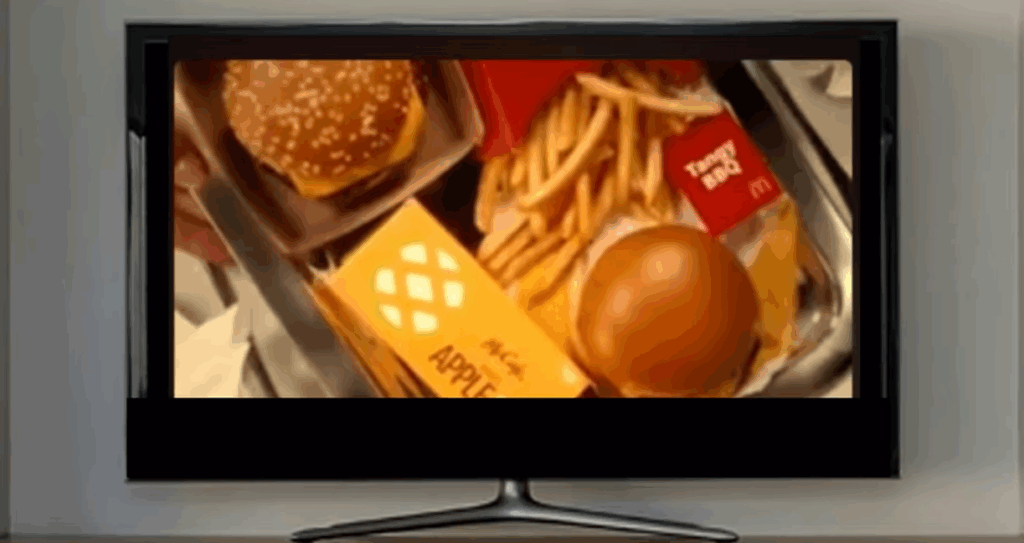

Food.—Let us engage in the joint “destruction” of extant unhealthy food sources in and around our areas of influence. We should simply halt patronization of these sources. This “war” should be organized and planned well and should ensure widespread agreement and commitment by relevant parties to withhold spending at these sources until these sources are abandoned or sold. To fully execute this strategic action, Black Americans involved in the effort may be called upon to temporarily fast from food, travel further than normal to obtain food, and to pay a higher price for food. The “war” should be publicized sufficiently—including its organization, planning, and enforcement mechanism(s)—such that even before potential replacement sources commence planning to develop and operationalize replacements for the destroyed sources (hopefully Black entrepreneurs will be among potential replacement sources), the scope of requirements for the new sources should be crystal clear. Only “healthy foods” can be provided/sold, and replacement sources (enterprises) should/must reflect adherence to pre-agreed levels of participation by representatives from the related area of influence at ownership, management, and operational levels.[iii] The war may be a painful and elongated process; however, Black American areas of influence stand to reap sizeable benefits from expanded economic development and opportunities, improved health outcomes, and newly found autonomy and power that is produced by the destructive war.
Clothing.—Let us destroy a poisonous mindset that continues to haunt Black Americans, which is characterized as follows: “Our creativity and production are only beneficial when others leverage and package them under the old rubric of ‘someone else’s ice is colder.’” In this case, we invite the recollection of the 1960s and 1970s when all things Black and African were the rage. We saw Afros and Dashikis everywhere. In the earliest stages of this craze for Afrikaness, the reality was that—at least in the U.S. South—a sizeable proportion of the Dashikis that were worn were self-produced in our homes/communities (areas of influence).
If an important Black American (Afrodescendant) goal is to become increasingly independent with a return to our Afrikaness in mind, then let us abandon our addictive consumption of what others produce and become conscious of our own ability to create and produce to meet our needs. It may begin as home production, and one or two households can produce to meet their own demand and demand that arises from nearby streets or blocks. However, after we convince ourselves that our views (thinking or opinions) concerning the beauty, functionality, or efficacy of what we wear does not have to be endorsed by a designer whose name we can hardly spell or pronounce, then we can capture independence and freedom for much of the “clothing” requirements of our lives.[iv] As we undertake this movement, let us be willing to suffer certain hits at the outset of the war (supply chain hiccups, slower production, marginally higher prices, and a potential small drop-off in quality). But we should be steeled against these temporary and small perceived compromises of our wellbeing knowing full well what the light at the end of the tunnel will reveal.
Shelter.—Owner-occupied and tenant-occupied housing are the two categories of housing considered. Consequently, there are at least two primary Schumpeterian “Creative Destruction” strategies that can be implemented to create improved well being for Black Americans. We are concerned here with sizeable Black areas of influence (communities) in large U.S. municipalities (cities) that include significant Black (Afrodescendant) populations. These environments typically include a good mix of owner- and tenant-occupied housing.
For owner-occupied housing, we urge the destruction of Black American fears about demanding provision of appropriate levels of the range of municipal services provided to non-Black communities. Given that political pressure must be buttressed by economic pressure, we recommend that Black American homeowners cooperate to evolve a strategy similar to the one described in our 2016 volume: 21st Century Protests: A Handbook for Black America, Strategy 4, “Withhold property taxes,” pp. 15-18.[v]
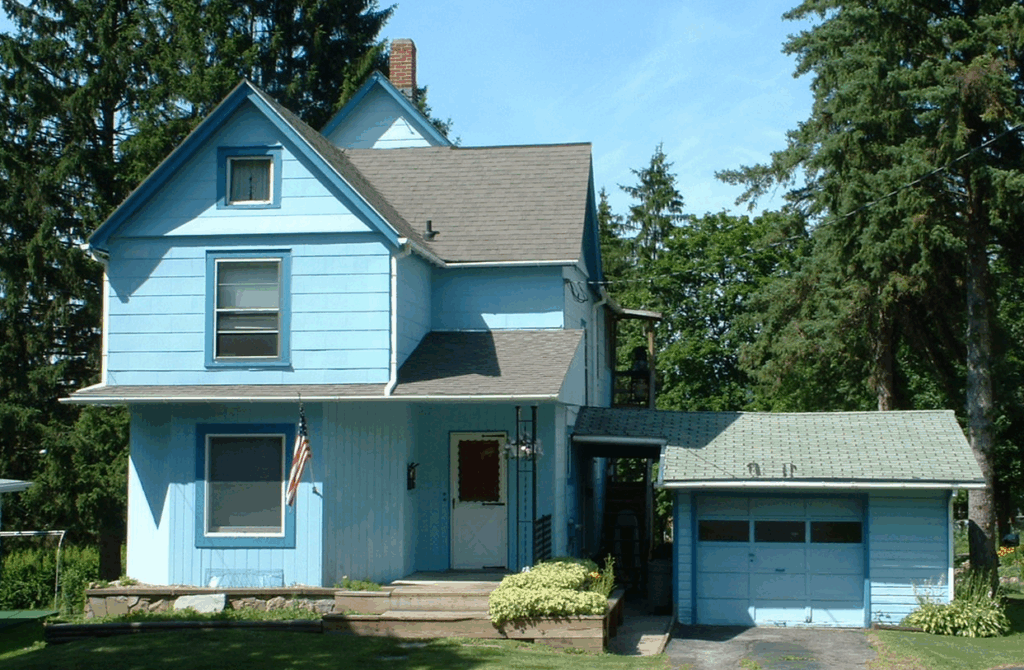
This strategy entails securing a judicial agreement that permits Black American homeowners to deposit property taxes due into a registry, trust, or escrow account while contesting the level and/or quality of services rendered in their area of influence (neighborhood or community) by municipal governments that are comparable to the level and/or quality of services provided to non-Black areas of influence in the same municipality. Taxes due can be released to municipal governments after they fulfill their duty consistent with requirements under the law. The destruction of Black American fear of government is critical to our finally demanding what is rightfully due to us on all fronts (including Reparations) and adopting more than a passive stance in the pursuit of justice. This destruction can increase economic growth and wellbeing in our areas of influence because, while increases and/or improvements in the quality of municipal services are being negotiated with government, it should be possible to fold in demands for other economic benefits that should be favorable for Black Americans who reside in our areas of influence and who pay related property and other taxes.
For tenant-occupied housing, the destruction may occur through a more complex process that required for owner-occupied housing. Specifically, tenants residing in Black American areas of influence should organize and collaborate to motivate municipal governments to adopt and enforce consistently rental housing quality standards across all areas within municipalities, and to establish a rental pricing system that accounts for differences in the quality of housing available to tenants.[vi] [Unfortunately, there is evidence that Black Americans confront higher and faster rising rental prices than their White American counterparts.”[vii]] The quality of tenant-occupied housing in Black American areas of influence should improve significantly in response to the successful execution of the strategy to be outlined below.
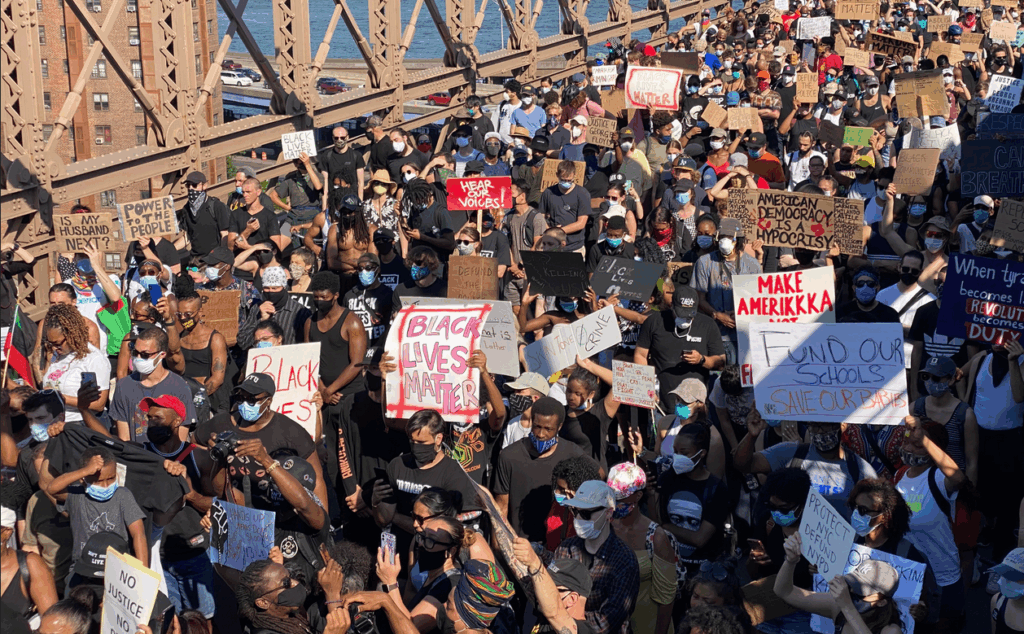
The destructive aspect of the strategy for tenant-occupied housing features two major components. First, as in the case of owner-occupied housing, tenants should seek judicial approval to deposit rental payments due into a registry, trust, or escrow account while details of adjustments to tenant-occupied housing standards and pricing that are linked to housing quality are under negotiations. Rental payments can be transmitted to landlords/property owners after negotiations are completed successfully. It will be no easy feat to secure such judicial approval and will likely require not only physical but economic pressure. However, if tenants want to benefit from Schumpeterian “Creative Destruction,” then they must be willing to destroy, obliterate their lethargy and acceptance of an unjust status quo, and then aggressively pursue change “by all means necessary!” The appearance of aggressive pursuit of change may best be painted as grassroots protests and as the work of special interest groups that engage in rent-seeking to obtain their desired ends. Rent-seeking may entail public posturing and support (financial and otherwise) for strategically placed candidates who are vulnerable and/or who are strategically placed decision-makers for tenant-occupied housing policies in municipal governments.
Second, those who occupy rental housing may have landlord/property owners in the form of individual operators, limited liability corporations, or other larger corporations including Real Estate Investment Trusts (REITs). Therefore, as tenants seek revisions to the status quo, they may confront a variety of pressure levels, and they must be willing to endure potentially unpleasant experiences as they apply their own pressure to generate the benefits of “Creative Destruction.”
Tenants may find that they must not only conduct regular protests at government agencies that have oversight for establishing and enforcing rental housing standards, and at landlords’/property owners’ offices. These protests may be required in shivering cold, burning hot, and thunderstorm laden rainy weather. However, given a persistent and unyielding mindset to destroy the old and create a new status quo on tenant-occupied housing standards and rental prices that are properly linked to housing quality, residents who reside in tenant-occupied housing can generate the change that they desire using Schumpeter’s “Creative Destruction” strategy.
Transportation/Communications.—Let us destroy our self-destructive spending on these two important services that are absorbing an outsized proportion of our waking life.
For transportation, we suggest abandoning ownership of most personal automobiles—except in unique/special cases. Beyond the sheer cost of ownership (to include the cost of automobiles, interest charges on auto loans, and additional interest charges incurred on other debt-related purchases because credit scores are reduced due to increased levels of debt overhang caused by auto loans), there are repair and maintenance costs, insurance premium payments, energy (gasoline or electricity) costs, storage (parking) costs, and the opportunity costs of the time expended managing all things related to car ownership. Also, there can be a reduction in the general level of former automobile owners’ anxiety, who can “let go” of concerns about the wellbeing of their automobile whenever it is outside of their home garage or outside of their eyesight range. This may be easier to do than initially imagined.
However, to produce long-term and favorable returns from implementing this Schumpeterian “Creative Destruction” strategy, one must perform research—at a minimum—concerning short- and long-term: (1) Travel logistics from place of residence to expected important locations (employment, education, shopping, health, religious, and etc.) and related costs; and (2) plans for the future availability, frequency, and cost of private and public transportation alternatives; and (3) future expectations concerning climatological developments for the geographical area under consideration.
For communications, we recommend the actual destruction and recycling of many types of electronic communication devices that are readily available to us, or the elimination of our planned or spontaneously committed time for accessing entertainment using these devices. If not total destruction, then at least a complete rethinking of the time expended with these devices today and a reduction of that time to a more reasonable and beneficial level. Readers may be surprised by the monetary and time savings incurred when purchases of these devices are halted. The financial benefits of reduced spending on handheld devices, other communications equipment, software (especially cyber security software), and repair and maintenance can be sizeable. Also, the pecuniary value of the newly available time that is freed up by discontinuing or reducing the use, operation, and maintenance of communications devices and equipment may also be surprising.
Without doubt, Schumpeterian-styled “Creative Destruction” strategies aimed at Black American use of transportation and communications services entail destroying old ways of living and expending our financial and time resources. Such destruction can produce tremendous financial and time-saving benefits.
BlackEconomics.org welcomes your Insights on this topic.
Dr. Brooks Robinson is the founder of the Black Economics.org website.
Endnotes:
[i] The following are BlackEconomics.org releases over the past year that reference discussions of Schumpeter’s “Creative Destruction” theory. “What are the Goals of Managers/Controllers of the Economy?” (2025) https://www.blackeconomics.org/BELit/watgofmcote(100325).pdf; “Black Americans’ Mobility Trap” (2025) https://www.blackeconomics.org/BELit/bamt053025.pdf; “Can T-M Madness Be Explained?” (2025) https://blackeconomics.org/BEFuture/space040425.pdf;and “A Price for Everything” (2024) https://www.blackeconomics.org/BELit/apfe110424.pdf. (All Ret. 101025).
[ii] Health-related “Creative Destruction” examples include:
- Bombarding the public with advertisements about new pharmaceutical products designed to treat new diseases or conditions, which conditions individuals to use their most powerful instrument/tool (their minds) to “produce” in their body symptoms related to the advertised diseases or conditions (somatic symptoms), which can be considered a destructive process (negative production). Later, individuals’ requests for, and receipt of, treatment and pharmaceutical products to address the self-induced symptoms can be considered a reconstructive process (positive production).
- Governments’ licensing the production of unhealthy and harmful foods and beverages that generate a need for healthcare services. This example adds to economic growth in not just two, but three ways: (i) The government licensing operation; (ii) production of harmful products; and (iii) the health services that are delivered to address the illness produced when harmful products are consumed.
[iii] Ideally, vertical gardens would be among element on the list of requirements for new food sources.
[iv] It is common knowledge that Mahatmas Gandhi incorporated home production of khadi (home spun cotton) as an important strategy and protest symbol during India’s movement to independence from British Colonial Rule. The khadi cloth was then used to produce clothes for Indian people as opposed to purchasing clothes from the British at high prices. Up to that point in British Colonial Rule, the British had imported Indian cotton at low prices, spun the cotton into cloth that was used to make clothes that were sold back to India—as already noted—at high prices.
[v] Brooks Robinson (2016). 21st Century Protests: A Handbook for Black America. BlackEconomics.org: Honolulu. https://www.blackeconomics.org/BEAP/21CP.pdf (Ret. 101025).
[vi] Hedonic techniques may be employed to determine appropriate pricing of housing based on the quality characteristics of housing throughout a municipality.
[vii] Miesha Williams (2024). “Are Homes in B[l]ack Cities More Affordable for Black Families?” New Economic Analysis Newsletter, pp. 15-20. https://neaecon.org/wp-content/uploads/2025/01/New-Economic-Analysis-Newsletter_vol-2.pdf (Ret 101025).