By Theogene Rudasingwa
Photos: Wikimedia Commons
Pan-Africanism was conceived as a liberating ideology—a clarion call for unity, dignity, and self-determination for African peoples on the continent and in the diaspora. Its vision was grand: a united Africa rising from the ruins of colonialism, forging a common identity, and pursuing a destiny of collective prosperity. Yet more than a century after the first Pan-African Conference in 1900, and over sixty years since the first wave of African independence, this ideal remains tragically unfulfilled.
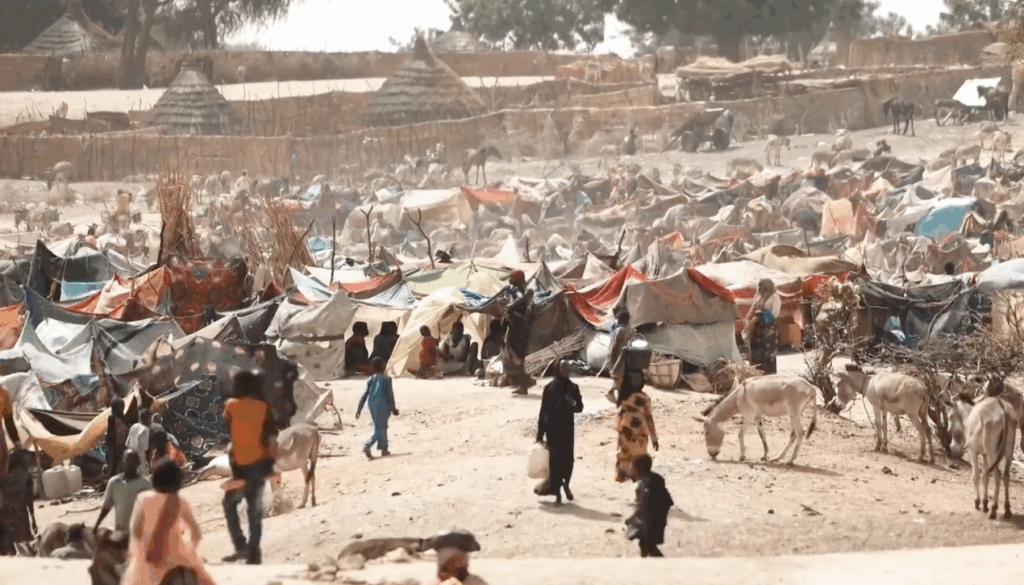
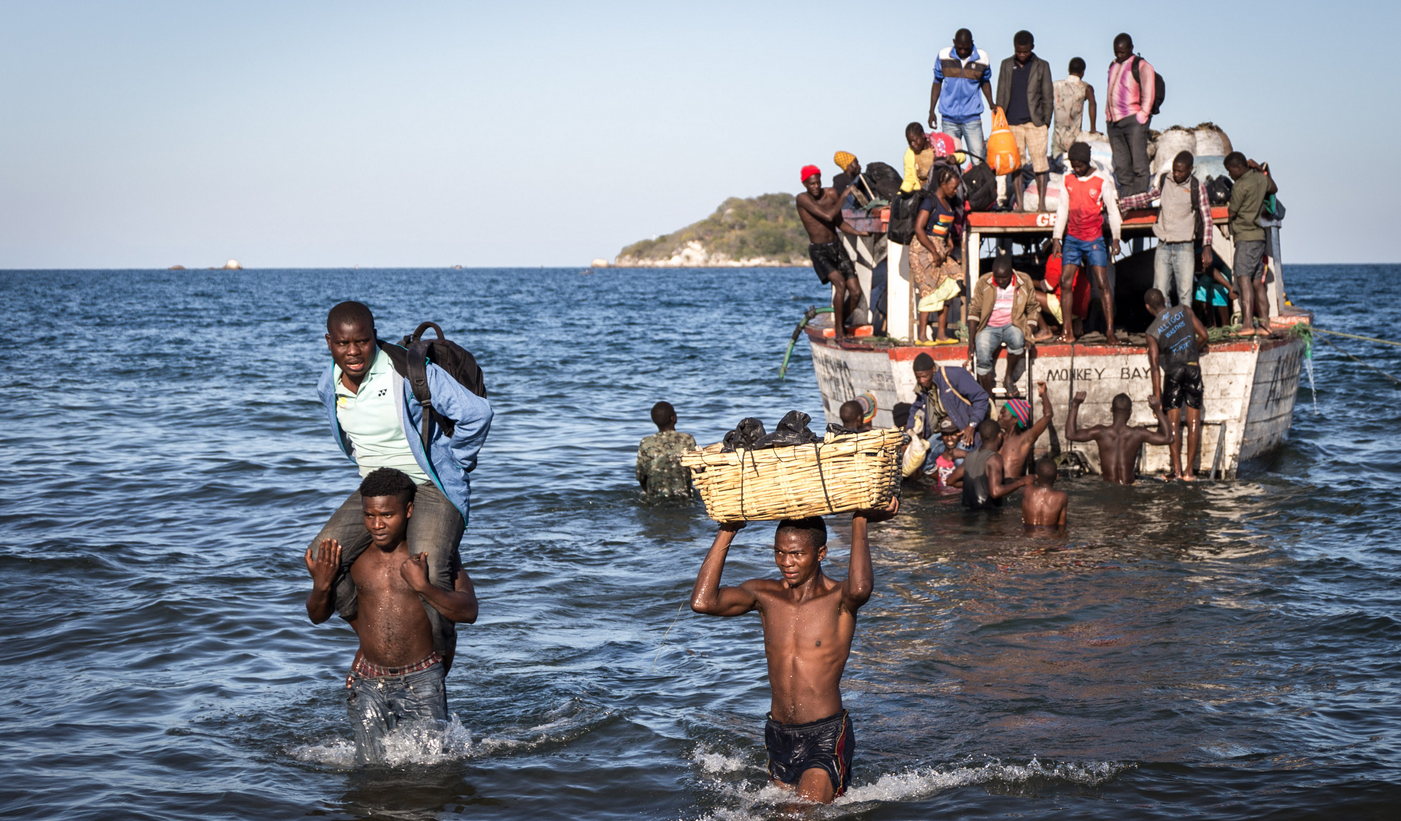
Today, over 44 million Africans live as refugees or internally displaced persons—driven from their homes by conflict, persecution, environmental collapse, and state failure. If this population were counted as a nation, it would rank sixth in Africa by size, behind only Nigeria, Ethiopia, Egypt, the Democratic Republic of Congo, and Tanzania. It is a nation without borders, without statehood, without voice—a forgotten nation, overlooked by the very leaders and institutions that proclaim Pan-African values.
This contradiction is at the heart of a deep crisis in Pan-Africanism. While the ideology promised unity, the reality is a continent fractured—by borders inherited from colonialism, by civil wars, ethnic strife, coups, and insurgencies. Refugees flee across lines drawn by others, only to arrive in states equally unstable or indifferent. The dream of unity has become a nightmare of fragmentation.
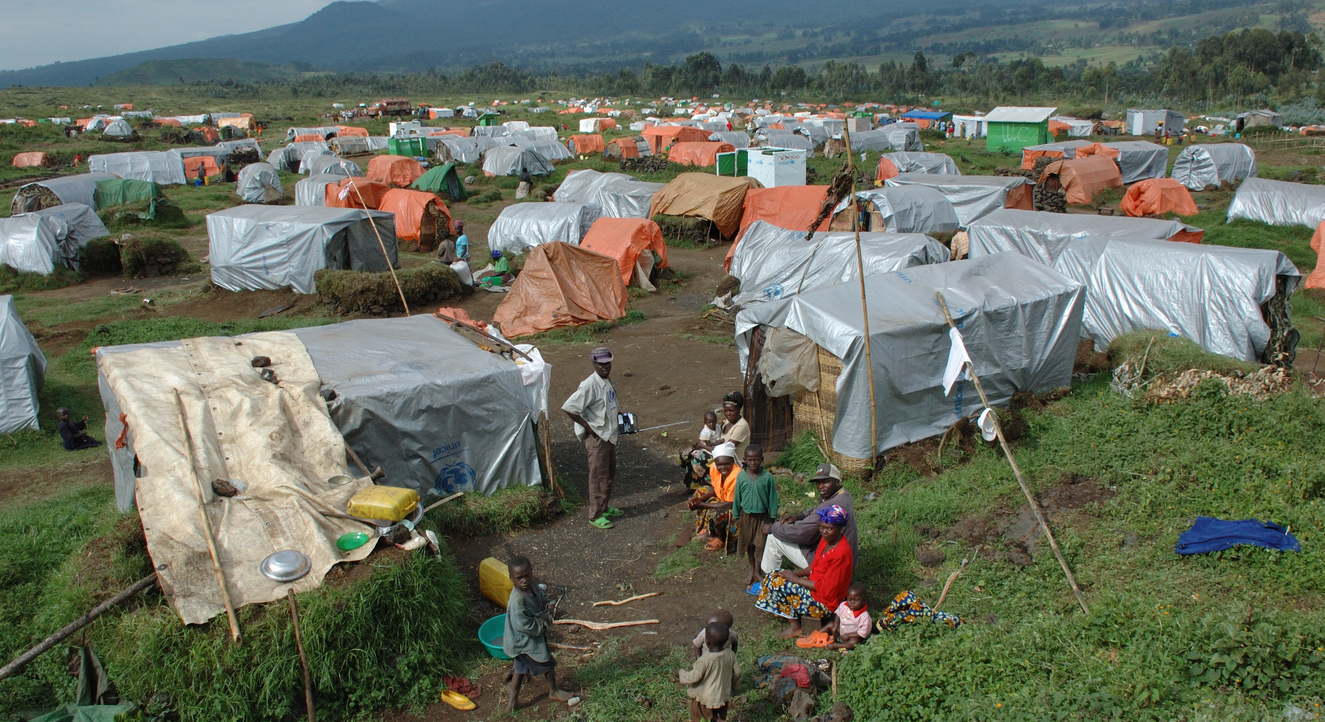
Dignity, too, was a promise. Yet in camps, slums, and detention centers, millions of Africans live in conditions that deny their basic humanity. They survive on international aid, caught in the web of bureaucracies and borders, stripped of agency. Their children grow up stateless, unrecognized by the nations of their birth or the nations of their exile.
Solidarity was another pillar of Pan-Africanism. But in place of mutual aid and continental kinship, we find xenophobia, closed borders, and scapegoating. African states too often treat fellow Africans as threats, not brothers. Regional institutions react slowly, if at all, and African Union declarations rarely translate into decisive action. What was once a pan-African dream now languishes in the halls of diplomacy and the rhetoric of the elite.
The causes of this displacement crisis are numerous and deeply entrenched. Fragile and predatory states dominate much of the continent, unable to protect their citizens—or worse, actively persecuting them. In countries such as Sudan, the Democratic Republic of Congo, Somalia, and South Sudan, the state has become a source of fear rather than refuge.
Conflict remains endemic. From the Sahel to the Horn, violence fueled by ethnic tensions, jihadist insurgencies, and military takeovers continues to displace millions. External powers often deepen these conflicts through arms sales and geopolitical manipulation. Meanwhile, climate change has begun to reshape the African landscape, displacing millions more through drought, floods, and resource scarcity. Yet national governments remain unprepared and under-resourced to respond to such challenges.
Corruption and misrule also play their part. Billions in aid and public revenue are siphoned off by elites, while the needs of displaced communities are ignored. Refugees become profit centers for corrupt officials, or pawns in political games. This is not just policy failure—it is a betrayal of public trust.
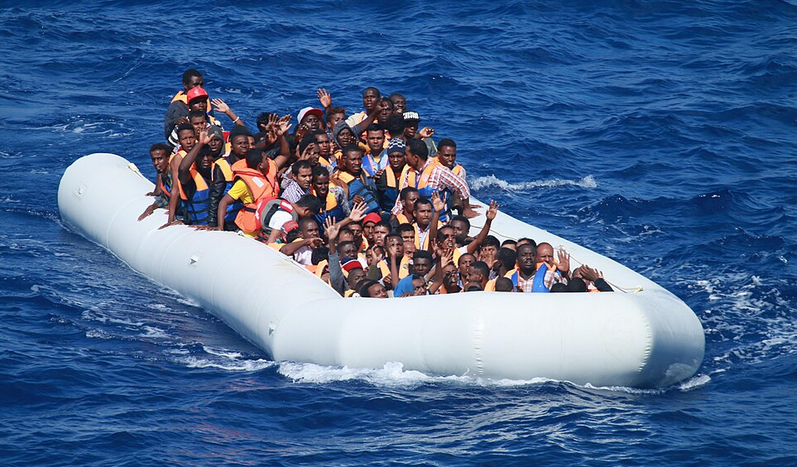
The consequences are catastrophic. Across the Mediterranean and beyond, young Africans flee in search of dignity and opportunity. They do not merely migrate for economic reasons—they flee from repression, hopelessness, and stagnation. Youth unemployment is among the highest in the world, even in resource-rich nations. Education systems produce degrees with little value. Democratic space is shrinking. For many, the only path forward lies across treacherous seas and foreign shores. Each capsized boat, each lifeless body, is a silent scream—a vote of no confidence in the African project.
If Pan-Africanism is to survive as a meaningful force, it must confront this forgotten nation. It must move from empty rhetoric to concrete redemption. A renewed Pan-Africanism must center the displaced—not as passive recipients of aid, but as active citizens with rights, voices, and agency.
It must build peace from the ground up—not through elite pacts and imposed settlements, but through inclusive dialogue, justice, and reconciliation. It must invest in youth—not as a slogan, but by creating educational and economic systems that nurture talent, creativity, and entrepreneurship. Migration should not be criminalized; it must be governed through humane, cooperative, and rights-based frameworks.
Most importantly, Pan-African institutions must be held accountable. They must protect the vulnerable, not shield the powerful. They must embody the spirit of the movement’s founders: resistance to oppression, belief in the dignity of every African, and commitment to collective liberation.
Africa does not suffer from a lack of resources—it suffers from a lack of just governance. It does not lack intelligence or creativity—it lacks structures that empower rather than exploit. The struggle for African liberation did not end with the lowering of colonial flags. The enemy has changed form, but it has not disappeared.
To fulfill the promise of Pan-Africanism, Africa must reclaim its conscience. Only when the displaced are brought home—not just geographically, but socially and politically—can Pan-Africanism become a living promise rather than a broken ideal. The renaissance of the continent depends not on conferences and communiqués, but on restoring citizenship, dignity, and belonging to those who have been cast aside.
The forgotten African nation must be forgotten no more.
To Support our independent investigative journalism contributions are welcome via Cashapp to: $BlackStarNews
Also support Black Star News by buying merch from our brand new Black Star Store!