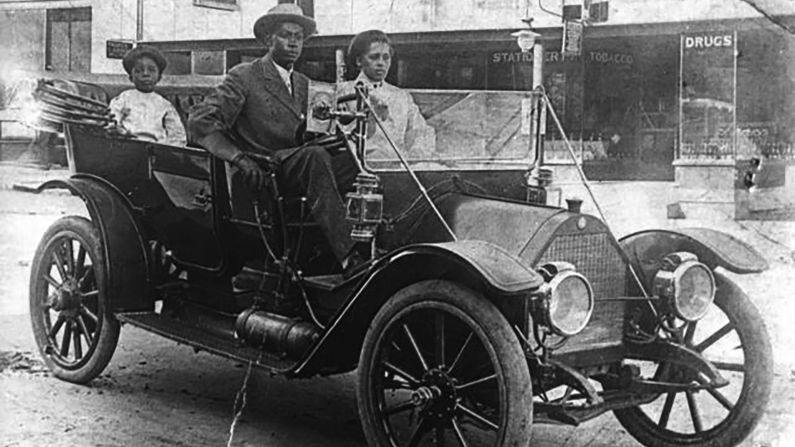
In the late 1800s, C.R. Patterson made history as a Black entrepreneur in Ohio. He built a company that went from carriages to cars. From this audacious act emerged C.R. Patterson & Sons, supposedly the First Black-Owned Auto Shop in America. It was a story of passion, innovation, risk-taking, and resilience being penned in the era of racial barriers.
The company set out to make highly precise and durable horse-drawn carriages. These carriages gained respect for their quality, and customers came from all over. Patterson saw the rise of cars and went into cars. He never hesitated to innovate, and his company reflected that.
Today, the story of that first Black-owned auto business still inspires, but new realities have forced closure. The symbolic first shop of its kind is about to shut its doors for good.
The Importance of Black Ownership
Black owned businesses often mean more than commerce. They mean independence, pride and community resilience. Patterson’s company was a powerful example of ownership in a segregated America. Customers saw his cars as more than machines; they saw them as progress.
Communities rallied around such businesses. They created jobs, encouraged training and provided opportunities denied elsewhere. In Patterson’s time, this impact went beyond local towns. His name traveled across states, marking a legacy bigger than profit.
The first Black-owned auto shop was a cultural landmark. It held stories of hard work, skill and relentless persistence. Families saw it as proof that barriers could be broken. The company showed that ambition could thrive even under hostile conditions.
Now, with closure looming, many are reflecting on what the legacy means. People see both loss and triumph in its final chapter.
Also read: UN Official Tells Security Council “The People Of South Sudan Are Counting On Us”
Changes in the Automotive Landscape
The automotive industry has changed dramatically since Patterson’s time. Giants like Ford, General Motors and Chrysler dominated the early 20th century. Their size, resources and assembly lines left little room for small companies. Many family-owned shops struggled to keep up.
The first Black-owned auto business faced the same pressure. Larger competitors could lower costs and produce in massive numbers. Patterson’s company produced a few vehicles compared to thousands from Detroit plants. The difference was overwhelming. Over time, cars changed fast. Demand was for faster, cheaper and more technologically advanced. Small operations rarely kept up. Patterson’s company had pride, but innovation required capital it didn’t have.
This is what’s happening today. Even modern dealerships close when manufacturers are in financial trouble. Survival is about size, efficiency and deep pockets. The historic auto shop is facing the same challenge.
Why the Closure Makes Sense
Closure doesn’t erase history; it preserves legacy. The owners know it’s tough to operate in today’s market. Rising costs, reduced demand and industry consolidation make survival impossible. Continuing would put them in debt and tarnish a good name.
Shutting down honors the company’s journey without forcing unsustainable compromises. It lets the story remain intact. Instead of fighting a losing battle, the decision is wise and responsible.
Communities feel sad, but they also understand. A legacy built on courage deserves dignity, not decline. Closing the doors preserves respect for all that was achieved.
The first Black owned auto shop closes for good reason: survival no longer aligns with their values. Honor matters more than extending decline.
Emotional Impact on Community
The community that supported the shop feels mixed emotions. Sadness surrounds the closure. Pride lives in history. Many see the shop as proof of resilience. They value the lessons it taught about perseverance.
Elders recall C.R. Patterson’s determination. Younger generations see his journey as a barrier breaker. The closure sparks conversations about ownership, opportunity and responsibility.
Community leaders say the end of operations doesn’t erase the achievements. Instead, it’s a transition. The legacy will live on through stories, museums and recognition. Families will continue to celebrate the role this business played in their identity.
The closure proves history matters even when businesses end.
Lessons for Future Generations
Future entrepreneurs can learn from Patterson’s story. He saw change coming and adapted. His shift from carriages to cars shows vision. Young leaders must have that.
Resilience is a key lesson. Patterson worked through racism, exclusion and competition. He proved that skill can break barriers. Modern entrepreneurs face different challenges, but courage still matters.
Financial planning also stands out. Growth requires resources, partnerships and networks. Small businesses must prepare for industry shifts. Without planning, even the strongest vision struggles.
The first Black owned auto shop teaches persistence but also wisdom. Knowing when to adapt, shift or even close is essential.
Also read: Safaricom Projecting Rapid Subscriber Increase In Ethiopia By 2030
Conclusion
C.R. Patterson’s journey started with carriages and ended with cars. His company was a landmark of Black ownership. For over a century, his story was resilience, vision and possibility.
Today, closure reminds us that even proud businesses must face economic reality. Owners chose dignity over decline, memory over struggle. Communities will honor this choice by carrying the lessons forward. Even closed.